
How to find an AI-native developer (and not make a mistake)

Everyone is currently looking for "strong developers".
But the problem is that the market has already split into 2 types:
-
Regular engineers
-
AI-native engineers, who accomplish 5-10x more
And if you hire using old criteria - you are almost guaranteed to hire the first type.
💥 Why standard hiring breaks down
You look at:
-
stack (React, Python, PostgreSQL)
-
years of experience
-
past companies
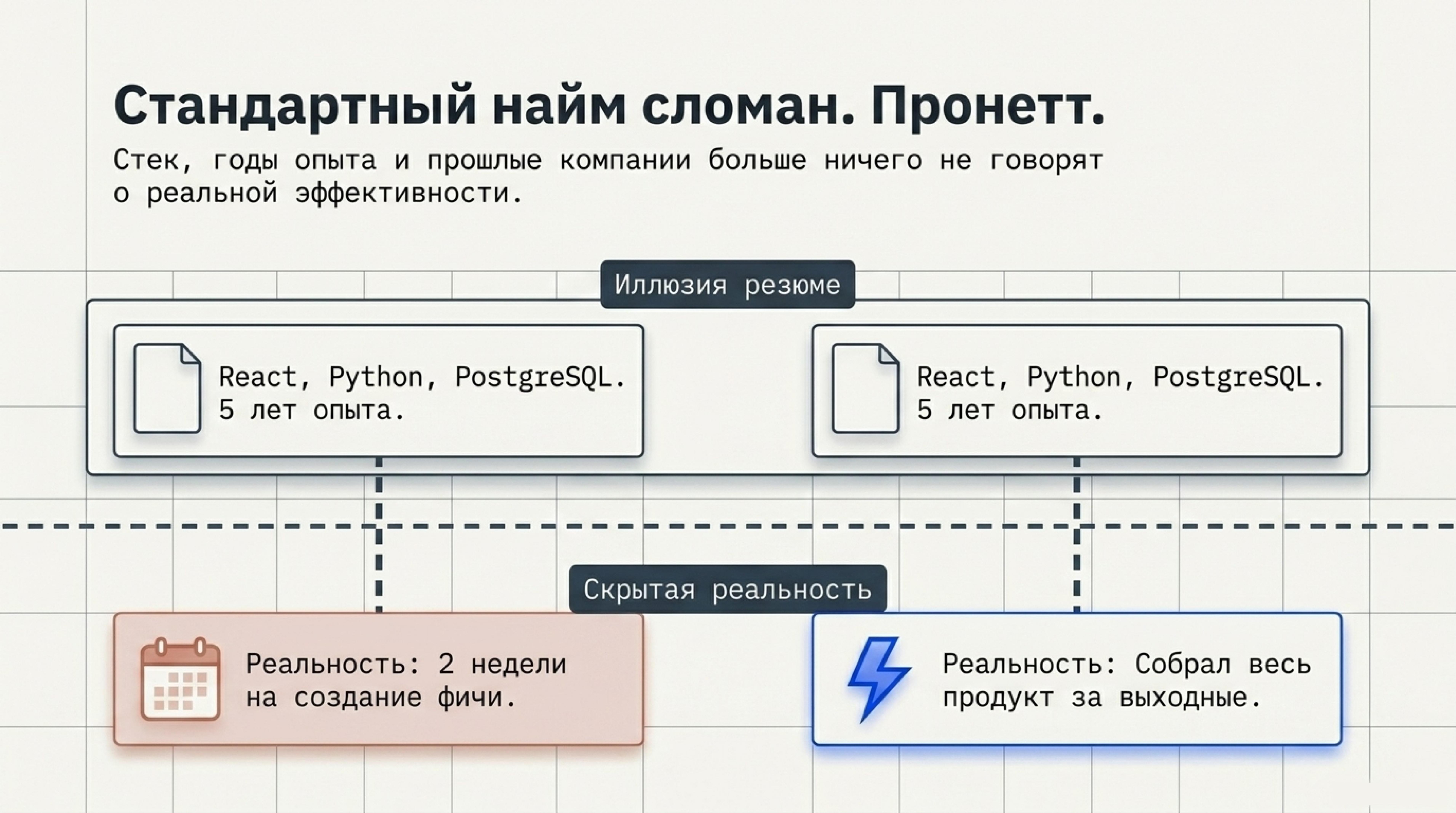
But this says nothing about real effectiveness.
Two candidates might look identical. But one will take 2 weeks to build a feature, while the other will put together the entire product over a weekend.
🧠 What distinguishes an AI-native developer
We currently systematically analyze candidate experience and identify AI Insights - signals of how a person truly works.
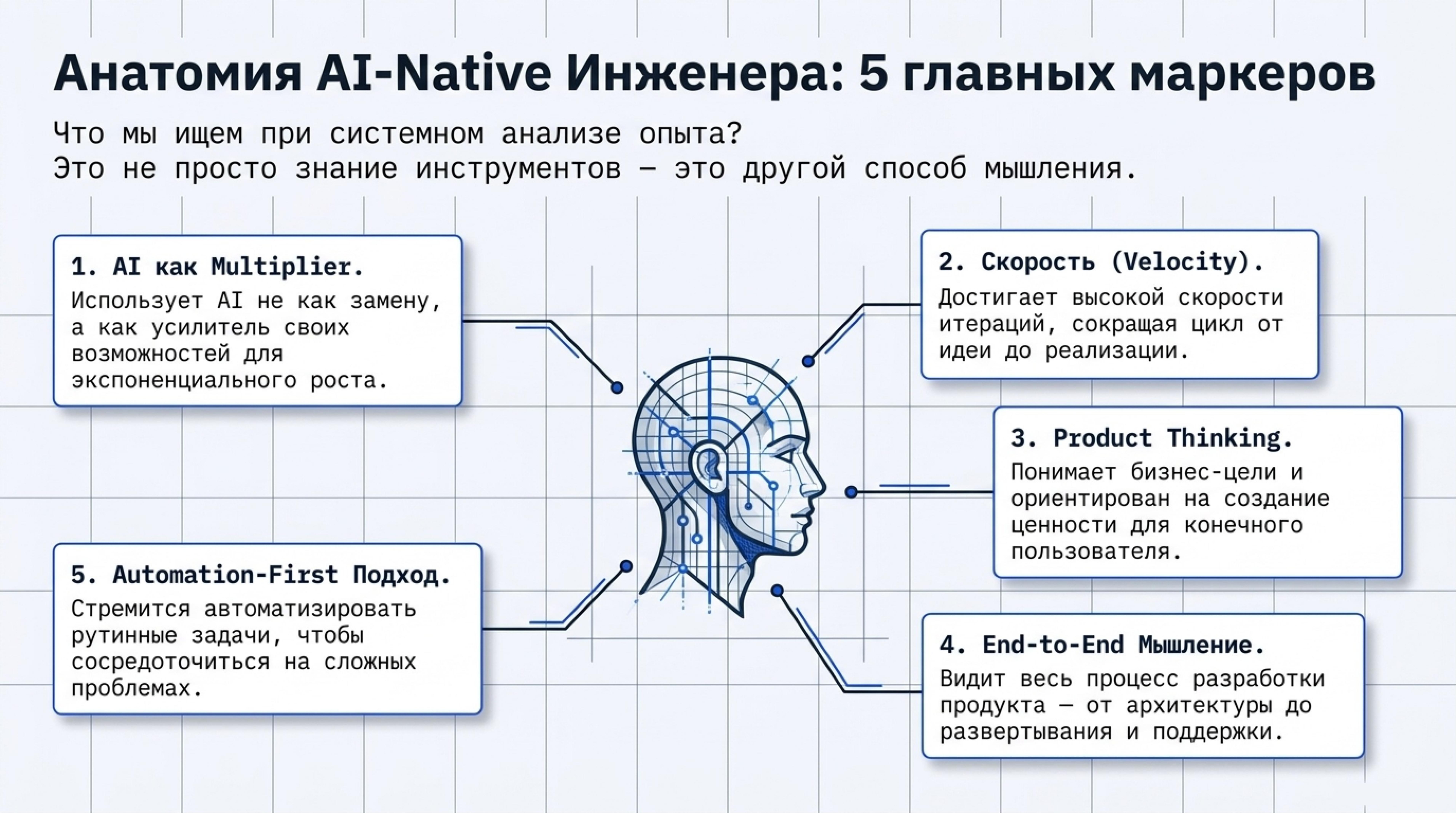
Here's what to look for:
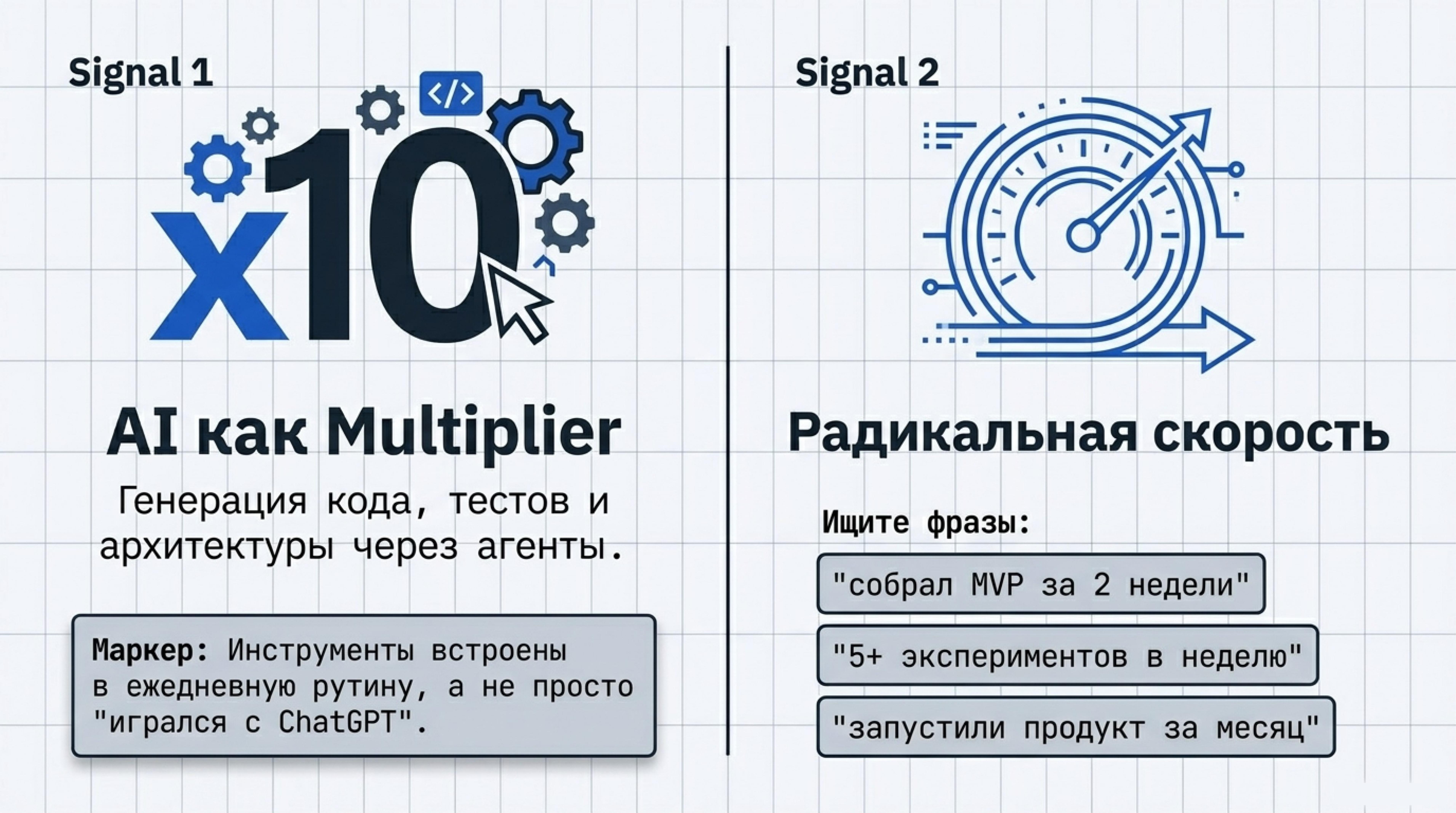
🔹 1. Using AI as a multiplier
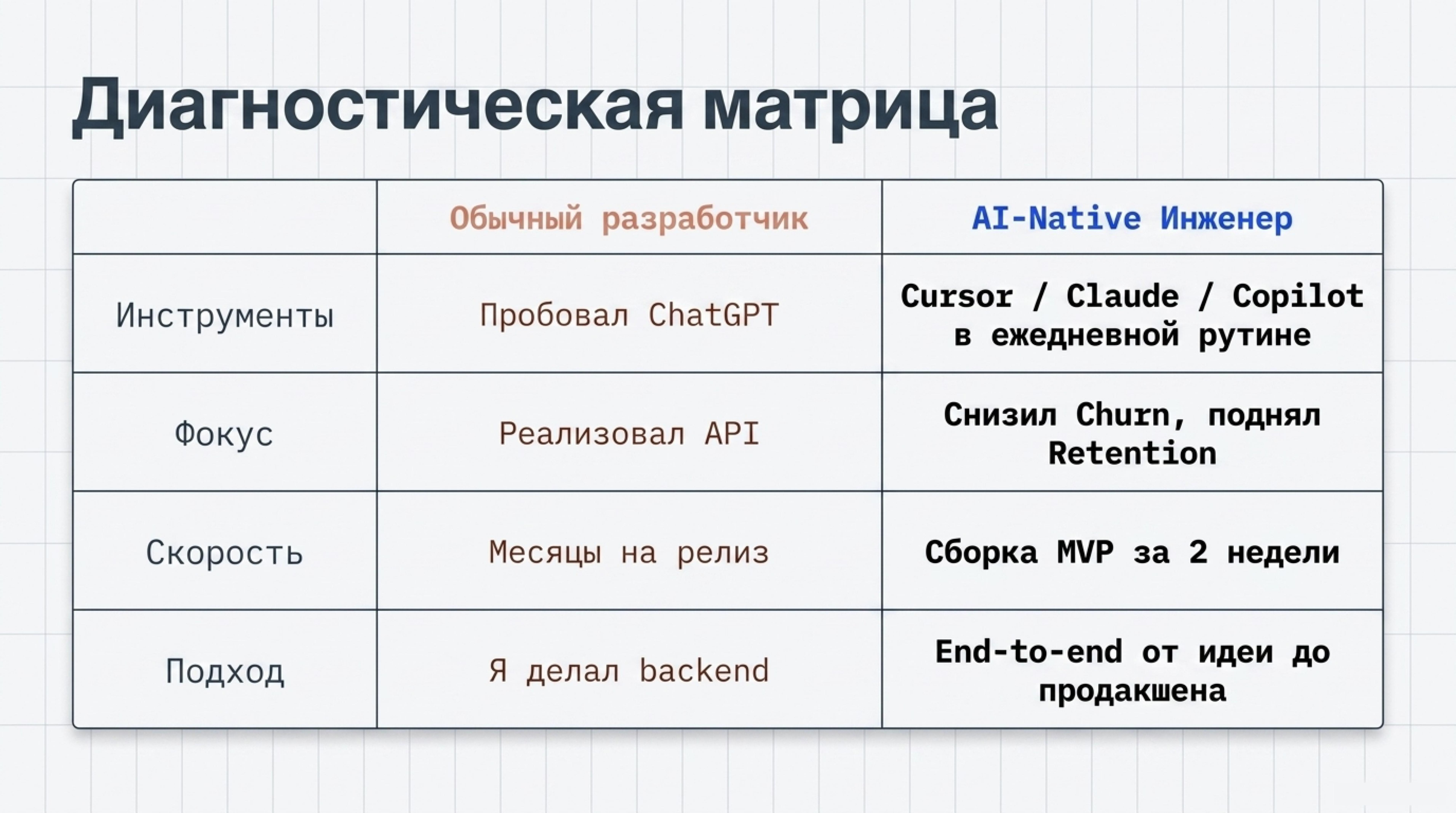
Not "tried ChatGPT", but:
-
Cursor / Claude / Copilot in daily work
-
code, test, architecture generation
-
working through agents
👉 If this is missing - they are not AI-native
🔹 2. Speed (the most underrated signal)
Look for phrases like:
-
"built an MVP in 2 weeks"
-
"did 5+ experiments a week"
-
"launched a product in a month"
👉 speed is the main marker
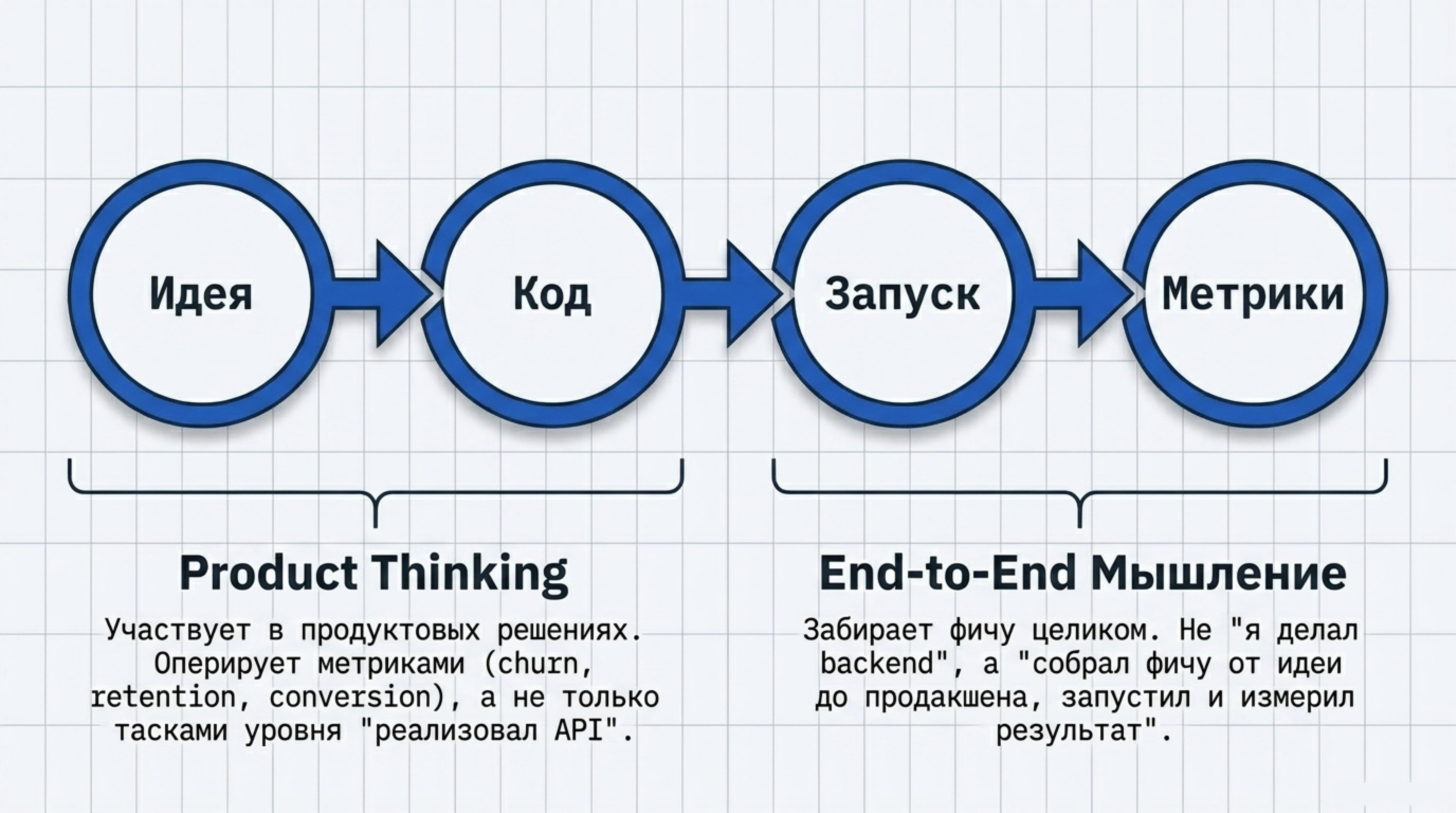
🔹 3. Product thinking
An AI-native engineer:
-
talks about churn / retention / conversion
-
and not just "implemented an API"
-
participates in product decisions
🔹 4. End-to-end thinking
Not "I built the backend", but:
-
"built a feature from idea to production"
-
"launched and measured the result"
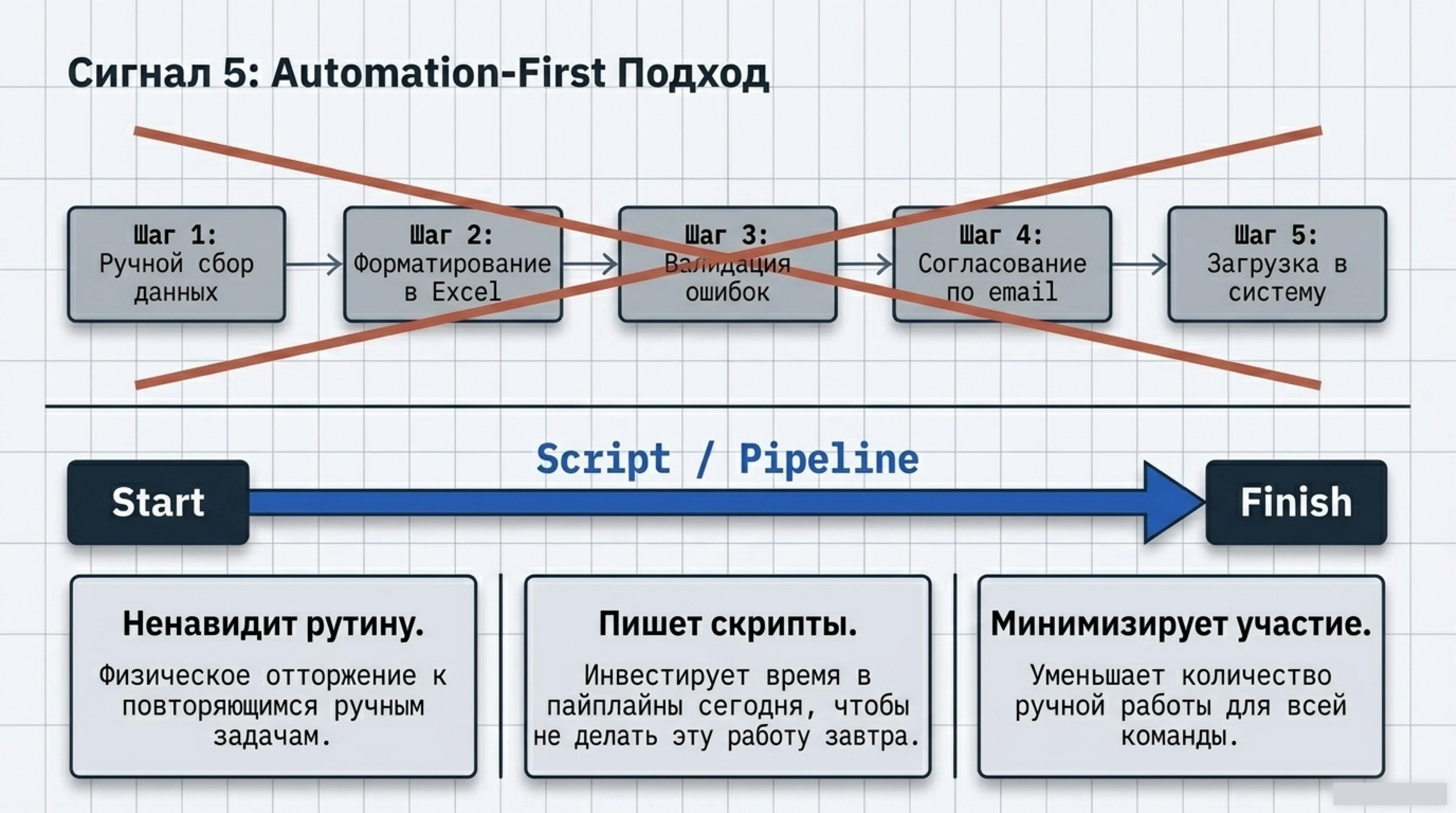
🔹 5. Automation-first approach
-
automates routine tasks
-
writes scripts / pipelines
-
reduces manual work
⚙️ How we do this
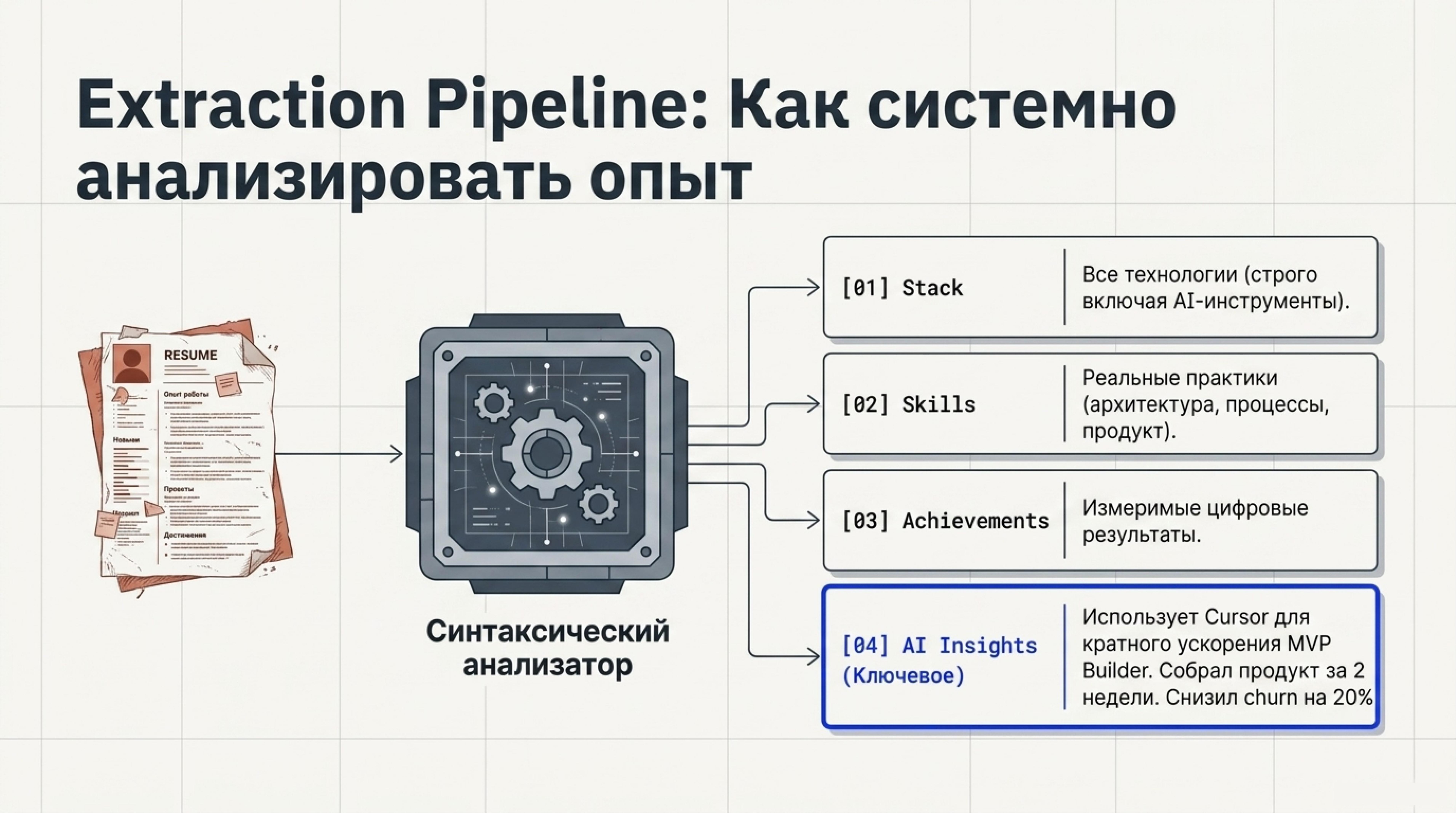
We break down each candidate's experience into a structure:
-
stack → all technologies (including AI tools)
-
skills → real practices (product, architecture, processes)
-
achievements → measurable results
-
and most importantly → AI Insights with explanation
For example:
AI-native - uses Cursor and Claude for significant development acceleration
MVP Builder - built a product in 2 weeks
Product Engineer - reduced churn by 20%
📊 What this provides
You start to see the difference:
-
not "React vs React"
-
but
-
a regular developer vs a person who genuinely builds products
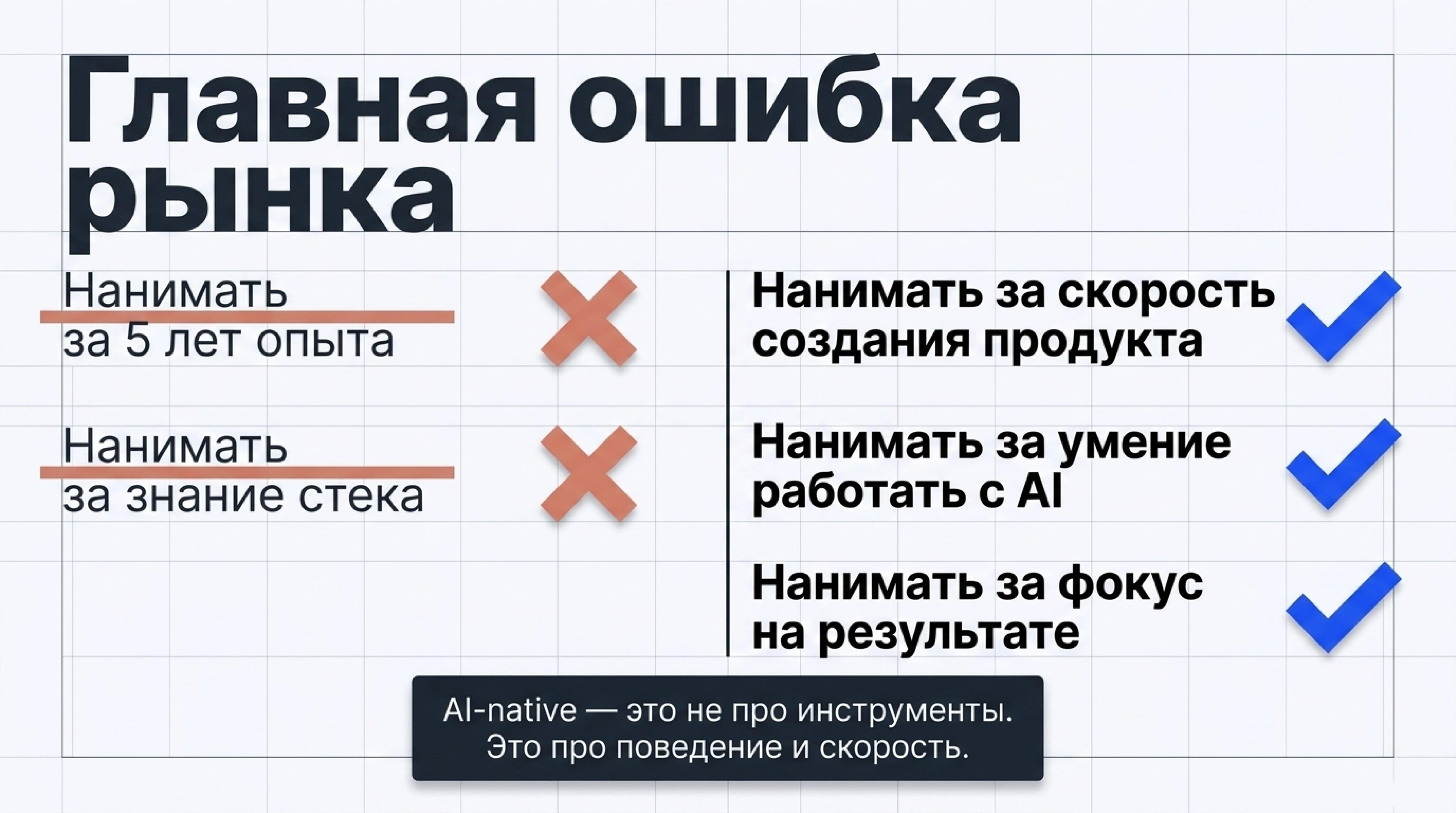
⚡ The market's main mistake
Companies are still hiring based on:
❌ "5 years of experience"
❌ "stack knowledge"
Instead of:
✅ "product creation speed"
✅ "ability to work with AI"
✅ "focus on results"
🎯 In short
An AI-native developer isn't about tools
it's about behavior and speed
👇 If you want to try
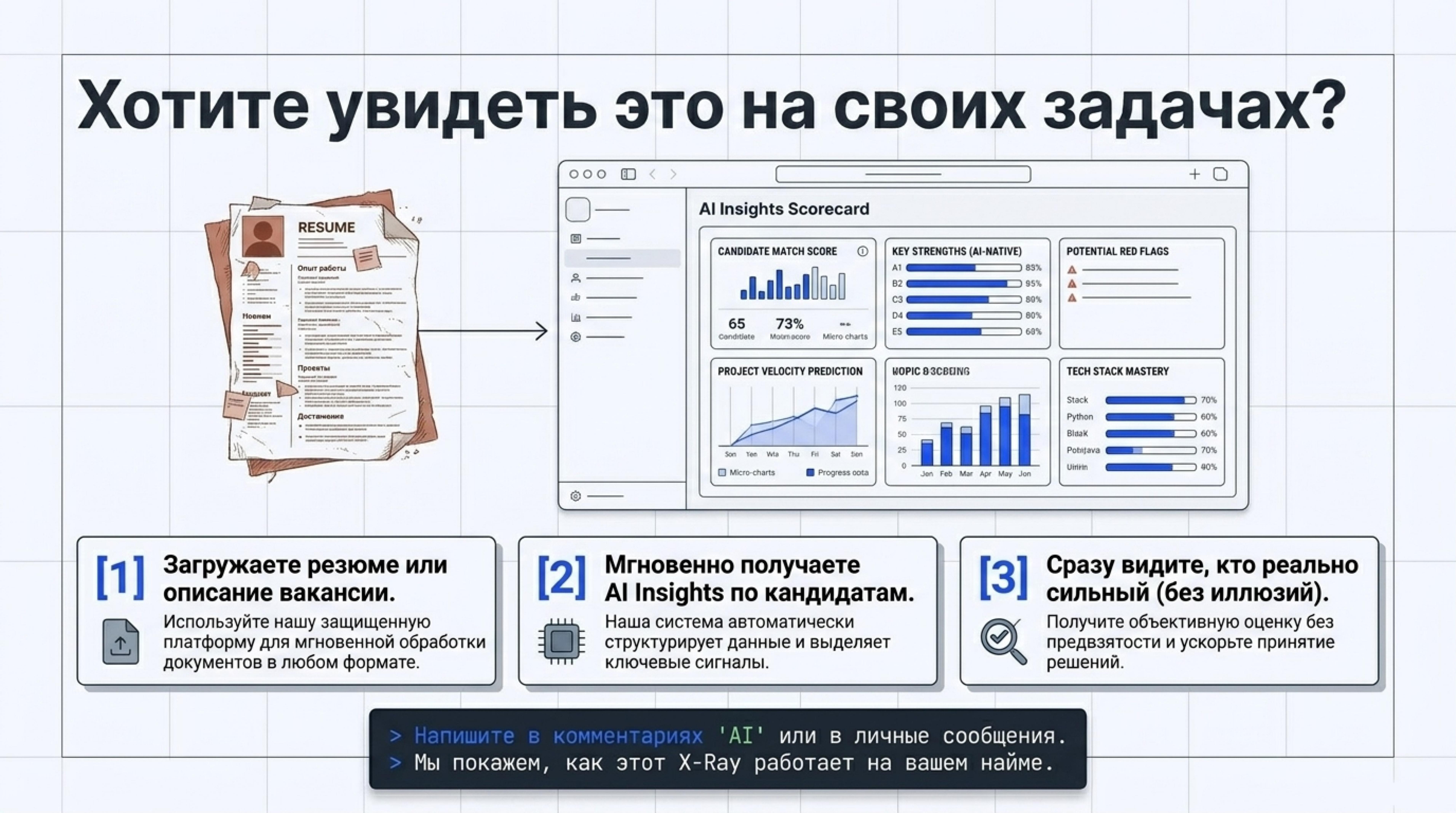
We've created a simple scenario:
-
upload your resume or job description
-
get AI Insights on candidates
-
immediately see who is truly strong